Podcast
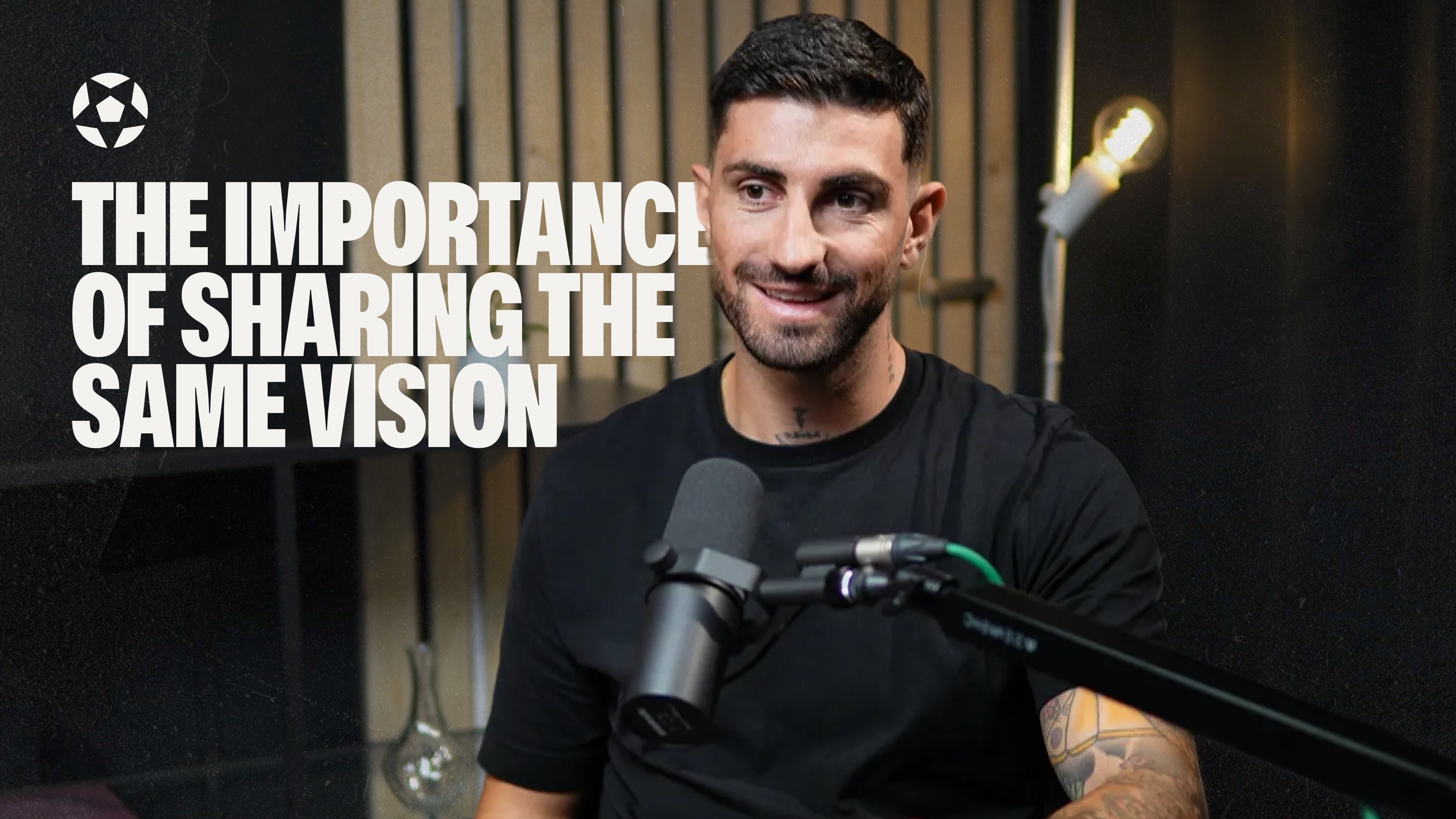
Why Football Needs a Shared Vision with Cristiano Piccini
Dec 24, 2025
Listen to the podcast on Spotify
Modern football talks a lot about data, brands, and commercial growth. But at its core, football is still about people, players, fans, and communities. In Episode 2 of the Estrella Football Podcast, we explored this truth through the eyes of someone who has lived the game at the highest level.
Our guest, Piccini Cristiano, is a former Italian international, Champions League player, and recent retiree, who has now joined Estrella as an investor and football executive. His journey through Fiorentina, Betis, Sporting Lisbon, Valencia, the Italian national team, and beyond gives him a rare perspective on what football gets right and where it often gets it wrong.
This conversation wasn’t just about tactics or transfers. It was about identity, leadership, consistency, and treating players as humans, not products.
“Sometimes, as a Player, You Are Just a Product”
One of the strongest themes of the conversation was the reality many players face behind the scenes.
Cristiano spoke openly about how injuries, especially his long recovery after a patella fracture, changed not only his career but also how clubs treated him. When players are fit, they are assets. When they are injured, they can quickly become liabilities.
“This is the worst part of football. Sometimes you’re not treated like a human — you’re treated like a product.” Piccini
It’s a reality that many fans never see, but one that shapes careers, mental health, and locker-room dynamics. At Estrella, this is exactly the mindset the group wants to challenge: building clubs that protect identity, respect players, and value long-term development over short-term decisions.
Identity Matters. For Clubs, Fans, and Players
Piccini repeatedly returned to one core belief: A football club must always be recognisable.
Not just through its badge or colours, but through:
The way it plays
The values it represents
The connection it has with its city and supporters
Fans need to recognise their club on the pitch. Players need to understand what the club stands for. And owners need to protect that identity rather than constantly reinventing it.
This is where Estrella’s philosophy comes in: horizontal multi-club ownership built around shared values, not imposed hierarchies.
Why Clubs Need a Clear Football Vision
One of the most insightful aspects of the discussion centred on coaching instability, one of football’s most significant structural issues.
Too often:
Clubs hire a coach with one philosophy
Replace them months later with someone completely different
Then rebuild the squad again, at a huge cost
Cristiano was clear:
“In normal business, you wouldn’t do this. Football clubs should define how they want to play — and then hire coaches who fit that vision.”
At Estrella, the ambition is for clubs to share a footballing philosophy, making it easier to:
Move players between clubs
Develop talent consistently
Reduce wasteful spending
Build long-term sporting stability
Performance still matters, but performance without direction rarely lasts.
Football Is Not an Algorithm
While data and technology play an important role, Piccini was clear that football cannot be reduced to numbers alone.
You can’t measure:
Leadership in the dressing room
Emotional intelligence
Team chemistry
The impact of one personality on 25 others
“You need players who maybe don’t play every game — but who hold the locker room together.”
This is where football experience becomes essential at the ownership level. Algorithms don’t feel momentum. Former players do.
Different Cultures, One Network
The episode also explored football cultures across Europe, North America, and Latin America, from Germany’s packed stadiums at every level, to Mexico’s growing commercial power, to the brand-driven explosion of Inter Miami.
The conclusion? A strong horizontal MCO shouldn’t be limited to Europe.
Different markets bring:
Different playing styles
Different fan behaviours
Different commercial opportunities
The challenge, and opportunity, is blending these cultures into one connected ecosystem, where football clubs remain authentic locally while benefiting globally.
From Player to Builder
Cristiano Piccini’s transition from player to football executive is still new, but his motivation is clear.
He wants to:
Learn
Contribute football DNA
Help clubs perform better on the pitch
Protect players from the mistakes he’s lived through
And ultimately, help Estrella build a network of clubs that balances sporting ambition, brand growth, and human values.
Final Thought
Football doesn’t need fewer ideas. It needs better alignment between vision, people, and execution.
Episode 2 of the Estrella Football Podcast is a reminder that while football evolves, its foundations must stay human.
About Estrella Football Group
Estrella Football Group is a next-generation football investment company building the first horizontal multi-club ecosystem across Europe. By combining sporting expertise, digital innovation and fan participation, Estrella aims to turn ambitious clubs into sustainable, community-driven football institutions.
Interested in working together? Reach out to the CEO and co-founder of EFG, Xander Czaikowski.